The Wordspryng Programme
Four Levels, In The Order Children Learn
An internationally designed phonics and life-skills programme for children aged 3 to 8.
Inspired by Singapore's Nurturing Early Learners framework and grounded in the Science of Reading, Wordspryng takes children from their first letter sounds to confident, independent reading.
Children are placed according to what they can do, not simply how old they are.
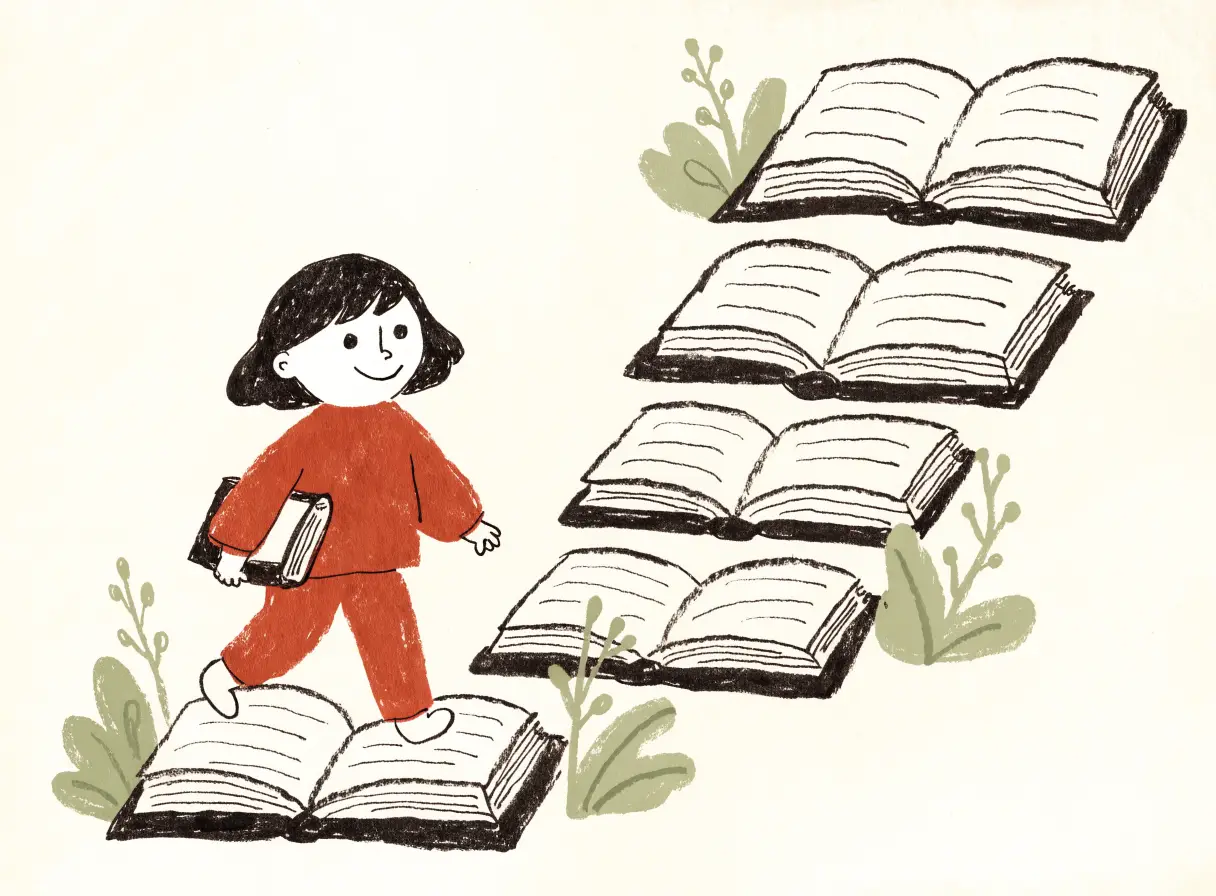
How Children Learn
Hear It. Recognise It. Use It.
Wordspryng combines systematic phonics with play, movement, multisensory activities and meaningful communication.
The method follows the Montessori Three Period Lesson. Children first experience a sound, then recognise it, and finally recall and use it independently.
- 1
Hear And Recognise
A new letter sound is introduced through stories, songs, rhymes, real objects and visual letter cards.
Children learn the pure sound of the letter before being asked to memorise its name.
Stories, songs, rhymes, real objects and letter cards.
- 2
Explore And Practise
Children connect the sound with what they see, touch and do through tracing, air writing, matching games and movement.
Tracing, air writing, sound matching and movement.
- 3
Say It And Use It
Children identify the sound without prompting and begin using it to blend and read words.
They move forward only when the skill is understood and can be used independently.
Unprompted recall, blending and first words.
How A Child Progresses
- 1 Listen
- 2 Recognise
- 3 Connect
- 4 Blend
- 5 Read
- 6 Communicate
The goal is not simply to remember sounds. It is to use phonics confidently as the foundation for lifelong reading.
A Structured Journey With A Gentle Rhythm
-
4
levels
-
48
sessions per level
-
2
sessions a week
-
90
minutes per session
Clear Progress At Every Level
Every Level Ends With Something To Celebrate
Each Wordspryng level includes 48 structured sessions and finishes with a clear, visible milestone.
Regular, child-friendly assessments help teachers understand what the child has mastered, where support is needed and when they are ready to move forward.
Children also learn common high-frequency and tricky words alongside phonics. These words do not always follow regular sound patterns, so they are introduced gradually from the beginning.
- 1 Seed First Words
- 2 Sprout First Stories
- 3 Bloom Fluent Reading And Accurate Spelling
- 4 Thrive Independent Reading And Deeper Understanding
More Than Phonics
Reading Lessons That Build Life Skills Too
Every Wordspryng session pairs a reading skill with a meaningful life skill.
While learning a sound, children may explore sharing, emotions, healthy food, money, nature or community. This helps them understand not only the words they read, but also the world those words describe.
Reading is the foundation. The child they become is the outcome.
-
Heart
Who I Am
Children develop emotional awareness, empathy, confidence, resilience and positive relationships.
I understand my feelings, care for others and believe in myself.
-
Mind
How I Think
Children learn to question, imagine, solve problems and make thoughtful decisions independently.
I ask questions, think independently and discover new possibilities.
-
World
How I Live
Children build healthy habits, respect others, care for the environment and understand their role in the community.
I care for myself, others and the world around me.
Seed, Sprout, Bloom, Thrive
From First Sounds To Independent Reading
Every level builds on the one before it, helping children develop reading ability, confidence and independence at the right pace.
Seed
Planting The Foundations Of Reading
Foundation · Indicative Age: 3 to 4
Seed is where the reading journey begins.
Through phonics, stories, music, games, movement and hands-on activities, children learn letter sounds, begin blending and read their first simple words.
- Letter sounds
- First blending
- First words
Milestone. Recognises letter sounds and confidently reads simple three-letter words.
Your child reads their first word without your help. It is a small moment that marks the beginning of something much bigger.
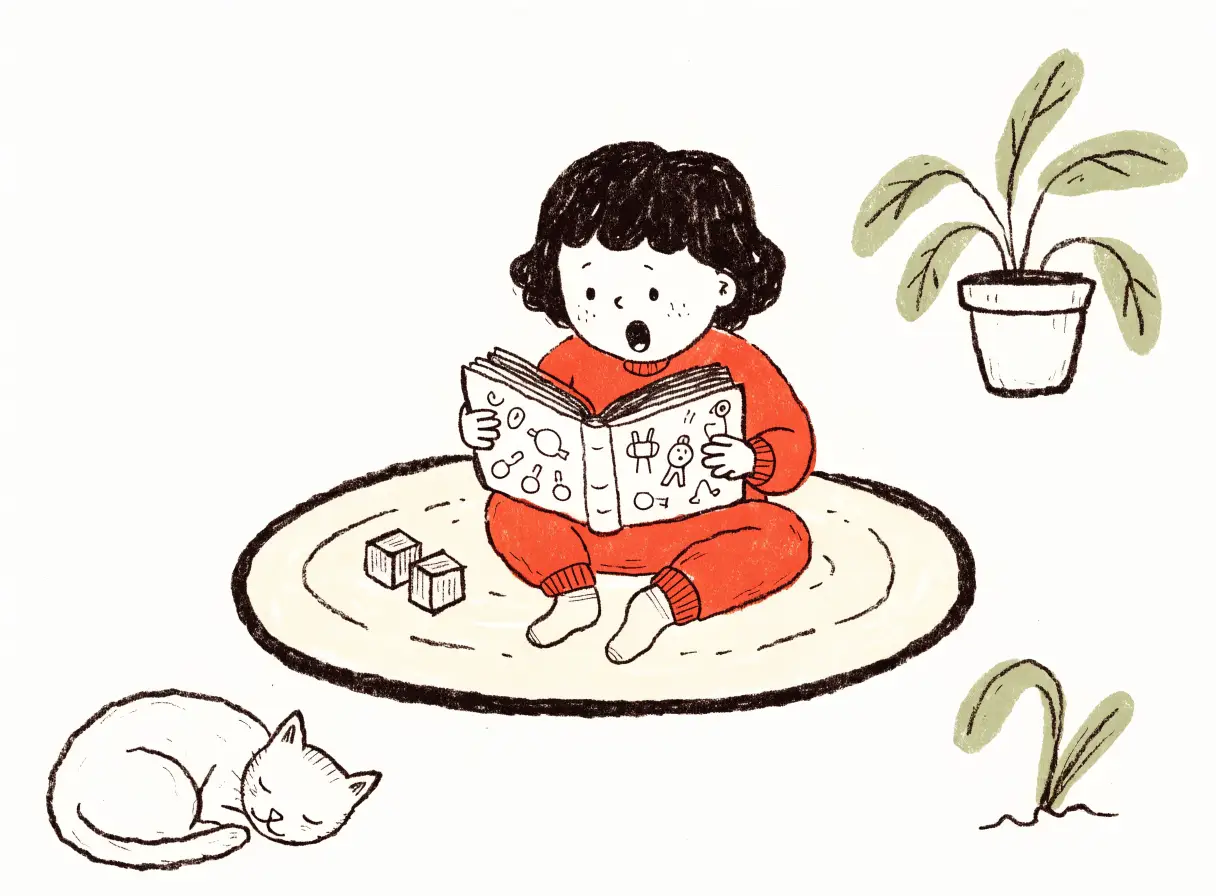
What You May Notice At Home
- Pointing out the letter sounds in everyday places.
- Reading simple words with excitement.
- Growing curiosity and confidence around books.
Sprout
Growing Words And Early Reading Skills
Building · Indicative Age: 4 to 5
With strong foundations in place, children begin connecting sounds more confidently.
They progress to longer words, simple sentences and their first short storybooks.
- Sound patterns
- Sentences
- First storybooks
Milestone. Reads simple storybooks independently with growing confidence.
"Can I read the bedtime story tonight?"
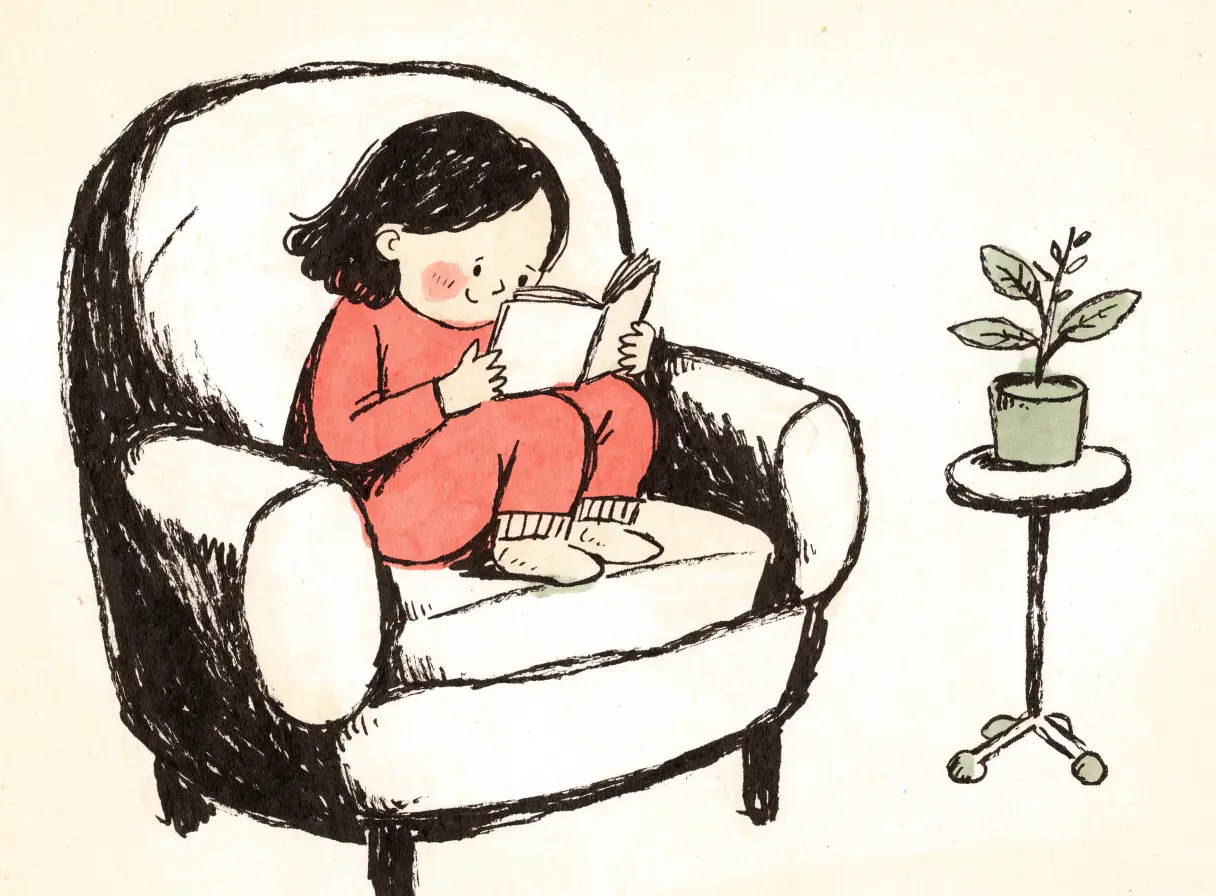
What You May Notice At Home
- Reading short stories with greater confidence.
- Sounding out unfamiliar words independently.
- Reaching for books more often.
Bloom
Building Fluency And Understanding
Growing · Indicative Age: 5 to 6
Bloom helps children move from learning to read towards reading fluently and understanding what they read.
They take on longer words, strengthen spelling and begin reading aloud with expression.
- Fluency
- Spelling
- Comprehension
Milestone. Reads fluently, spells confidently and understands what they read.
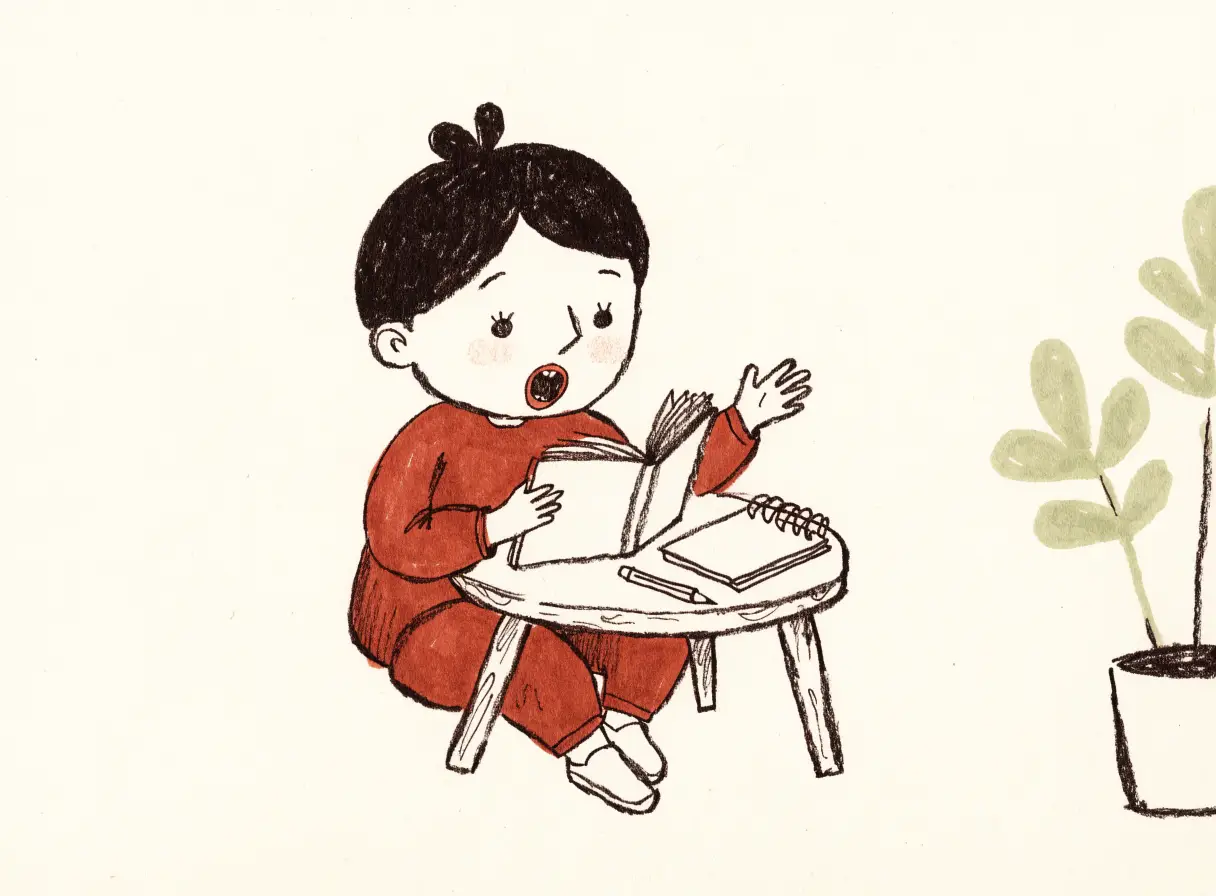
Your child finishes a story and cannot wait to tell you their favourite part.
What You May Notice At Home
- Reading storybooks smoothly and with expression.
- Discussing stories and characters confidently.
- Choosing to read independently.
Thrive
Becoming An Independent Reader And Communicator
Fluency · Indicative Age: 6 to 8
Thrive is the final stage of the Wordspryng journey.
Children decode unfamiliar words, understand richer texts and express their ideas with clarity. Fluency, comprehension, spelling and vocabulary strengthen together.
- Word building
- Independent decoding
- Critical thinking
Milestone. Reads independently with confidence, fluency and strong comprehension.
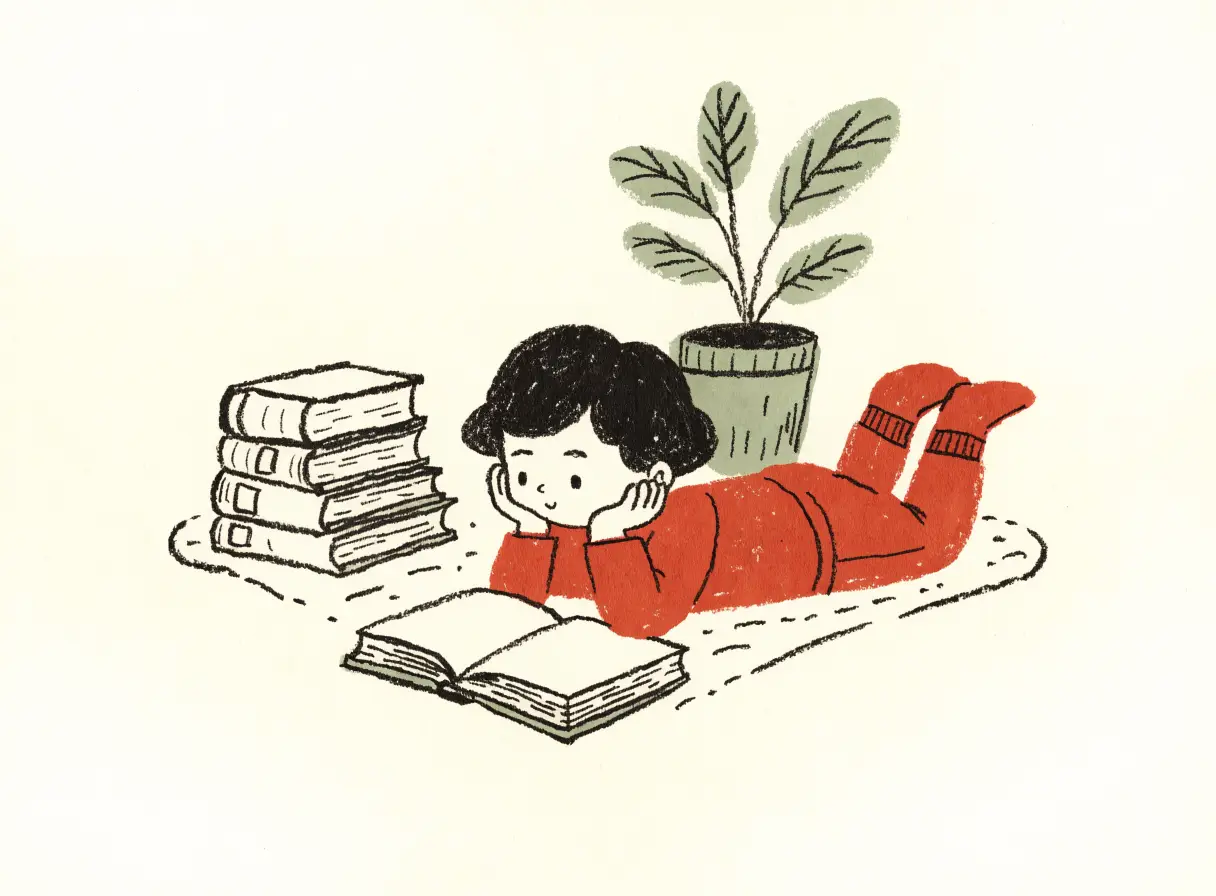
You find your child reading simply because they enjoy it.
What You May Notice At Home
- Reading books independently.
- Discussing stories with thoughtful ideas.
- Choosing to read for pleasure.
Age ranges are indicative. Every child completes an initial assessment and is placed according to their current reading ability.
The Wordspryng Learning Kit
Everything Your Child Needs For Their Level
-
The Wordspryng Bag
A dedicated learning bag carried to every session and taken home afterwards.
-
Level Workbook
Class activities, stories, practice exercises and assessments collected in one colourful workbook.
-
Structured Classroom Lessons
Session-wise lessons delivered by a Wordspryng-certified teacher, with each skill building on the one before it.
-
Practice Sheets
Focused reinforcement for the specific skill introduced during the session.
-
Review Assessments
Regular checks throughout the level and a formal assessment before the child progresses.
-
Achievement Certificate
Recognition of the skills and milestones completed at the end of each level.
The Wordspryng Outcome
A Reader, Not Just A Child Who Can Decode
-
Independent Reading
The ability to approach unfamiliar words without waiting to be told what they say.
-
Stronger Understanding
Comprehension, inference and the confidence to ask when something is unclear.
-
Confident Communication
Listening, expression and the ability to communicate ideas clearly.
-
Readiness For School And Beyond
Writing readiness, independent learning and the literacy foundation every other subject depends on.
Interested In Teaching The Wordspryng Method?
Wordspryng offers a certification pathway for educators interested in delivering systematic phonics and life-skills learning.

Help Your Child Take The Next Step In Their Reading Journey
Tell us your child's age and current reading ability. We will help you understand the right starting level and connect you with the most relevant Wordspryng centre.
Placement is based on an initial assessment, not age alone.